Who We Are
-
Who We Are -
Our Mission
We transform Buffalo’s East Side into a thriving, sustainable community by revitalizing green spaces, redeveloping vacant land into shared community assets, building pathways for a greener workforce, and ensuring residents have equitable access to the resources needed to live, work, and grow in place.
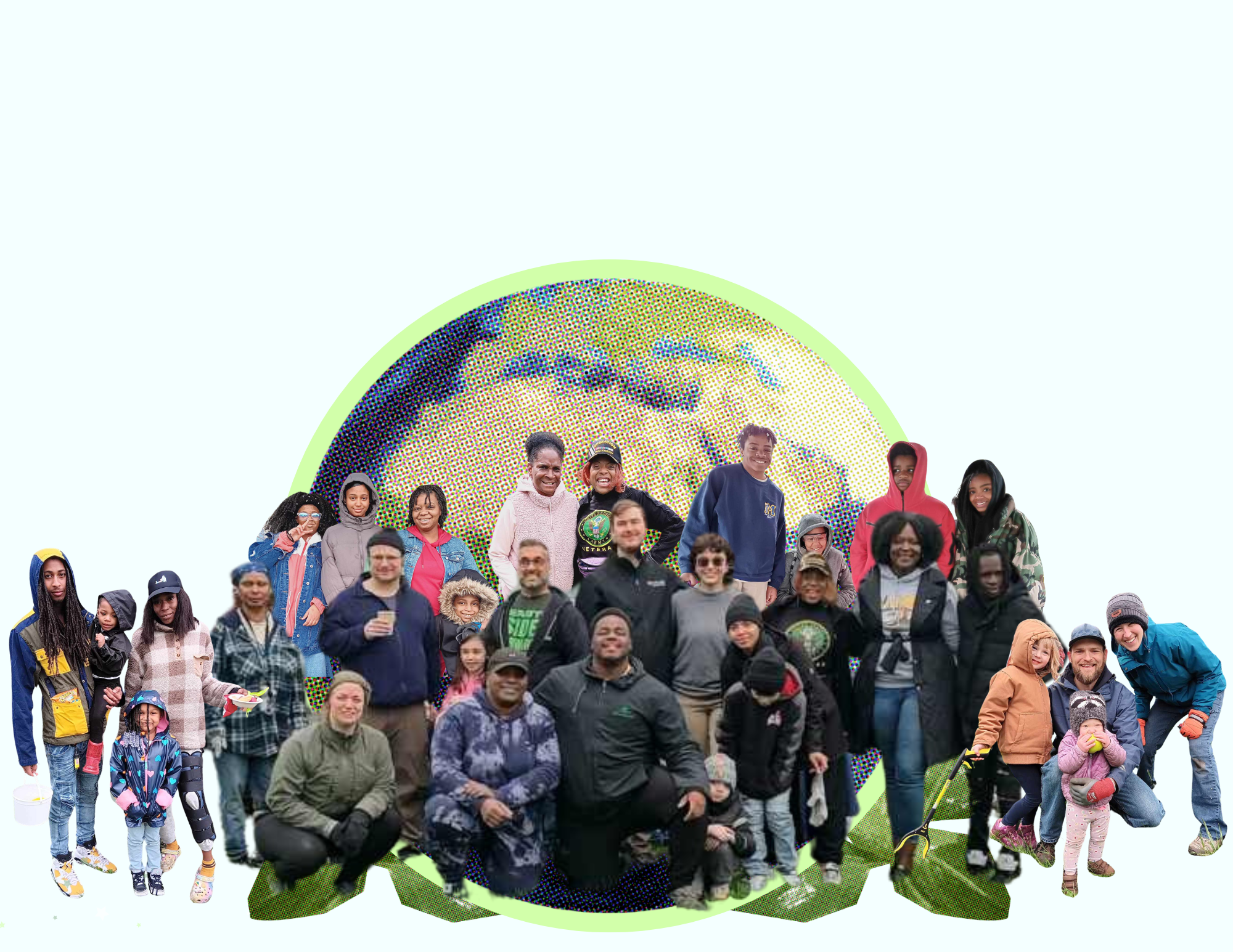
Our vision is to cultivate whole, thriving communities on Buffalo’s East Side by transforming vacant land into connected, sustainable corridors and shared community assets that work together to support housing stability, environmental health, cultural continuity, and local economic opportunity, ensuring existing residents can remain, belong, and benefit as their neighborhoods grow stronger.
Our Equity-Focused Vision
Our Five Pillars
-

1- Revitalize
We breathe new life into underutilized spaces, transforming them into vibrant, thriving outdoor community hubs.
-

2- Redevelop
We transform unbuilt lots into community assets, building sustainable housing, renewable energy systems, workforce development hubs, and spaces for small businesses.
-

3- Educate
We empower youth and local residents through education and green workforce development providing the knowledge and skills required to lead environmental and community-focused initiatives.
-
4-Engage
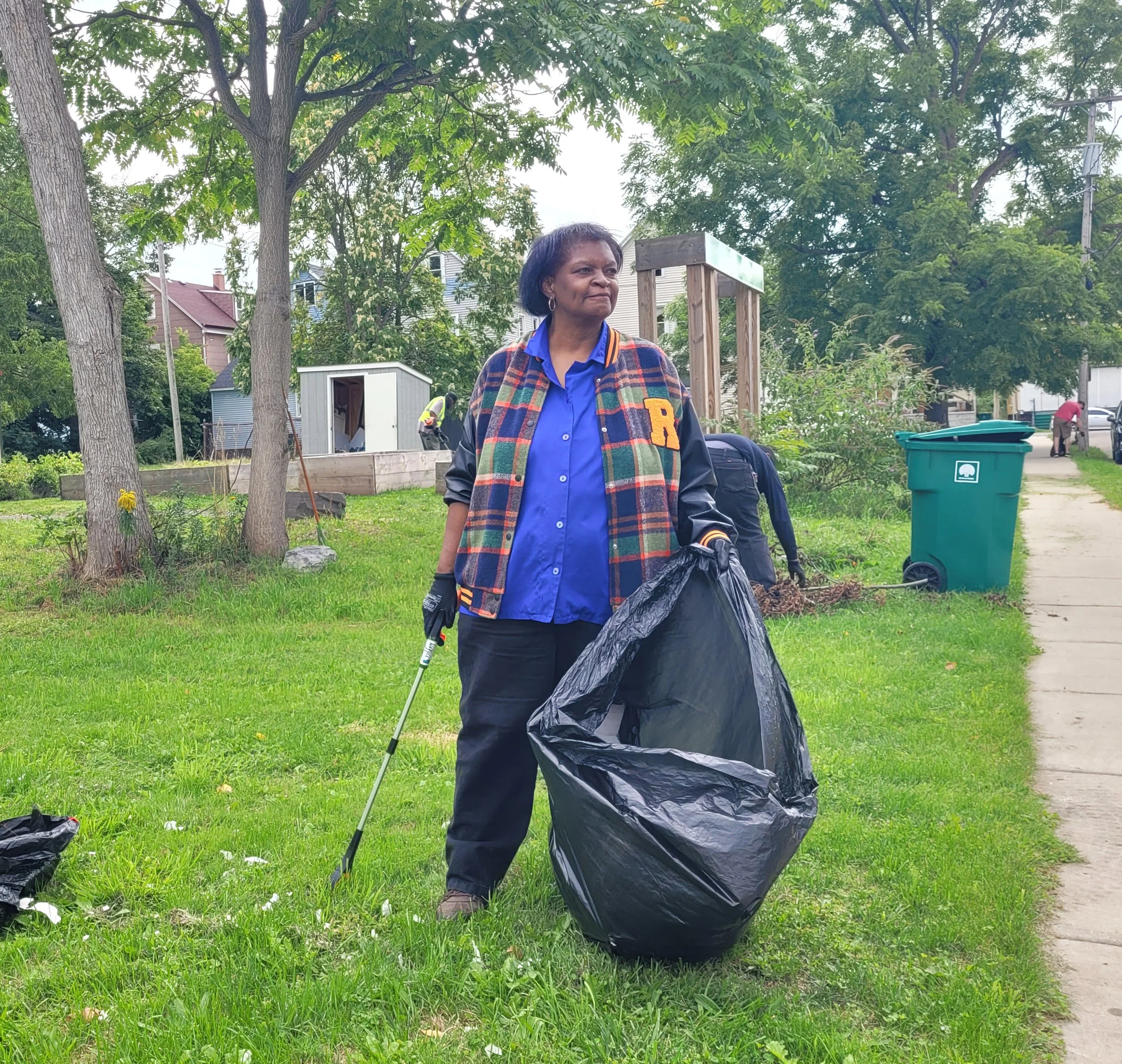
We cultivate deep relationships with residents, partners, and co-owners, fostering collective action and sustained collaboration in stewarding our communities.
-
5- Resource
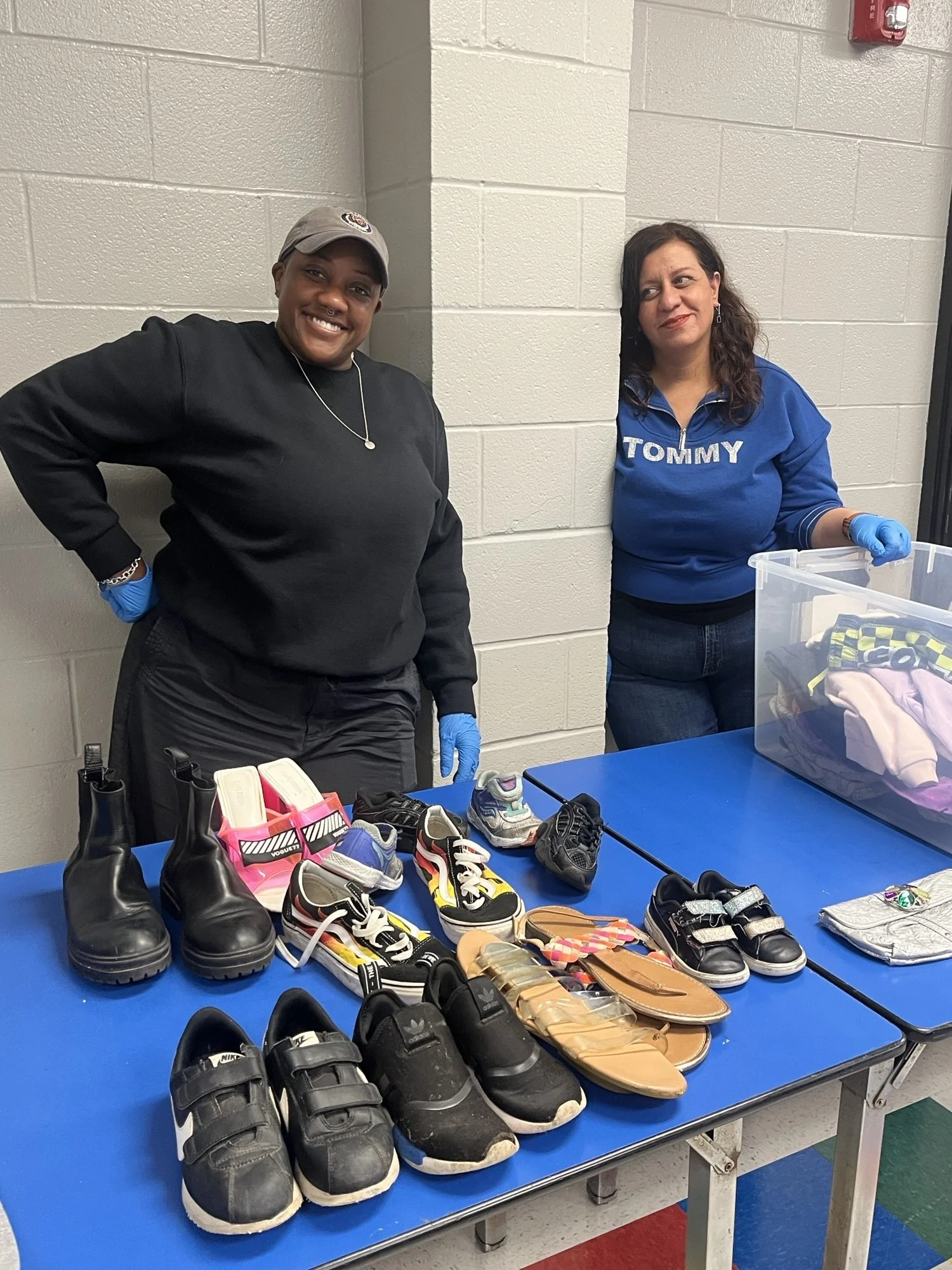
We connect communities with the essential resources and support to drive impactful, lasting change.
Why The East Side of Buffalo, NY?
*Map sourced from LISC NY’s WITHIN East Side
The East Side of Buffalo, New York, is a culturally rich area home to historic African American communities. It comprises 14 neighborhoods east of Main Street, including Broadway-Fillmore, Cold Springs, Delavan-Grider, Ellicott, Fruit Belt, Fillmore-Leroy, Genesee-Moselle, Hamlin Park, Kensington-Bailey, Kenfield, Lovejoy, Masten Park, MLK Park, and Schiller Park.
The East Side has long faced environmental and health disparities due to industrial pollution, highway construction, economic disinvestment, and systemic neglect. Historically home to sources of pollution like General Motors, American Axle, and the Kensington Expressway, the area suffers from lingering contamination and ecological degradation that disproportionately impact its predominantly Black, South Asian, and Latinx communities. This has resulted in heightened exposure to pollutants, contributing to health issues such as asthma, which affects 11% of children and 7% of adults in the area.
Buffalo continues to experience one of the highest concentrations of vacant land among mid-sized U.S. cities. As of 2025, the City of Buffalo owns approximately 6,000 vacant residential lots, the majority of which are located on the East Side. Across all ownership types, including public and private parcels, the city contains an estimated 15,300 vacant lots. City planning and land use data indicate that roughly 84 percent of city-owned vacant lots, more than 5,000 parcels, are concentrated east of Main Street in historically disinvested neighborhoods. In some areas, vacancy is especially dense; for example, the Broadway-Fillmore neighborhood alone contains an estimated 1,300 vacant lots, highlighting the scale and urgency of land stewardship and redevelopment efforts.
Compounding these challenges, the East Side is classified as food insecure, restricting access to fresh and affordable food while increasing rates of obesity and diabetes. The lack of green spaces and deforestation intensifies environmental risks, contributing to poor air quality and the effects of extreme heat. Climate vulnerabilities, including intensifying blizzards, extreme lake-effect snow, and aging infrastructure requiring constant maintenance, further threaten the well-being of East Side residents. Addressing these disparities requires sustained investment, grassroots organizing, and community-led action to reclaim land, improve living conditions, and build a healthier, more just future.
Buffalo Niagara Association of Realtors. (2025). Buffalo Homestead Plan and city-owned vacant land overview. https://www.bnar.orgCity of Buffalo. (2025). East Side vision for growth and land use conditions. https://www.buffalony.govInvestigative Post. (2025). Vacant land concentration in Broadway-Fillmore. https://www.investigativepost.orgPartnership for the Public Good. (2025). Putting vacant land to good use: Buffalo in transition. https://ppgbuffalo.orgNew York State Department of Environmental Conservation. (2023). Final New York State disadvantaged communities list. https://dec.ny.gov/environmental-protection/environmental-justice/disadvantaged-communitiesErie County Department of Health. (2022). Community health assessment: Respiratory health and asthma in Buffalo and Erie County. https://www3.erie.gov/healthPartnership for the Public Good. (2021). Food insecurity and access to healthy food in Buffalo. https://ppgbuffalo.org
Wagner's Redlining Map of Buffalo, 1937
EPA EJ Screen Map Density of People of Color in Buffalo Census Tracts Overlayed w/ EPA regulated sites 2024
EPA EJ Screen Community Report of East Side of Buffalo Census Tracts 2024